
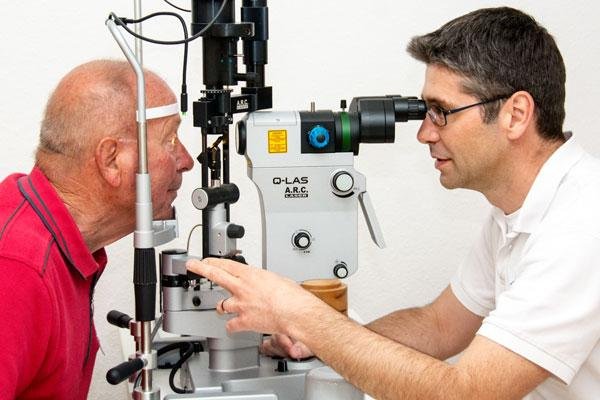
Vision problems caused by retinal disorders can develop gradually or appear suddenly, making early diagnosis especially important. Advances in ophthalmology have made it possible to manage several retinal conditions with precise, minimally invasive techniques. Retinal laser treatment is one such approach, helping selected patients control abnormal retinal changes, protect remaining vision, and reduce the risk of serious complications. The treatment is not suitable for every retinal disorder, so a detailed examination by a qualified eye specialist is essential before deciding on therapy.
What Is Retinal Laser Treatment?
Retinal laser treatment, also known as retinal photocoagulation, uses focused laser energy to treat carefully selected areas of the retina. Depending on the condition, the laser may seal leaking blood vessels, reduce abnormal blood-vessel growth, or create a protective scar around a retinal tear.
Unlike procedures designed primarily to improve eyesight immediately, laser therapy often focuses on preventing further retinal damage and protecting useful vision. Its effectiveness depends on the underlying condition, the location of the retinal problem, and how early treatment is provided.
Why Is Retinal Laser Therapy Important?
The retina is a delicate layer at the back of the eye responsible for converting light into signals that the brain interprets as vision. Damage to this tissue can have a lasting impact on sight.
Laser therapy may be recommended when retinal changes create a significant risk of progression. Common goals include:
- Controlling abnormal blood-vessel growth
- Reducing retinal leakage in selected cases
- Treating certain retinal tears
- Lowering the risk of retinal detachment
- Protecting remaining vision
- Managing complications associated with retinal vascular diseases
Early intervention can be particularly valuable for patients with diabetic eye disease because retinal changes may progress before noticeable symptoms appear.
Conditions That May Require Retinal Laser Treatment
A retinal specialist may recommend laser therapy for several conditions, depending on the patient’s individual examination.
Diabetic Retinopathy
Advanced diabetic retinopathy can cause abnormal blood vessels to grow on the retina. These fragile vessels may bleed and threaten vision. Panretinal photocoagulation, or PRP, may be used to reduce the retinal areas driving abnormal vessel growth.
Retinal Tears and Breaks
A retinal tear can allow fluid to move underneath the retina and potentially lead to retinal detachment. Laser retinopexy can be applied around a suitable tear to create a scar barrier and help stabilize the affected area.
Retinal Vascular Disorders
Some patients with retinal vein occlusion or other vascular problems may develop retinal swelling or abnormal vessels. Depending on the clinical findings, laser may form part of a broader treatment plan.
Different Approaches to Retinal Laser Therapy
Not every laser procedure works in the same way. The treatment technique is selected according to the retinal condition.
| Treatment approachCommon purposeMain objective | ||
| Panretinal photocoagulation | Advanced diabetic retinopathy | Reduce abnormal vessel growth |
| Focal laser | Selected retinal leakage | Treat targeted abnormal areas |
| Grid-style laser | Selected macular conditions | Manage specific retinal changes |
| Laser retinopexy | Retinal tears or breaks | Create a protective scar barrier |
In modern retinal practice, laser is sometimes combined with other treatments, such as intravitreal injections. The appropriate choice depends on the diagnosis rather than a one-treatment-fits-all approach.
What Happens During the Procedure?
Most retinal laser procedures are performed on an outpatient basis.
Step-by-Step Process
- Detailed eye examination: The specialist evaluates the retina and identifies the exact problem.
- Pupil dilation: Dilating drops provide a wider view of the retina.
- Numbing medication: Local anaesthetic drops are generally used to improve comfort.
- Laser positioning: A specialized lens may help the ophthalmologist focus the laser precisely.
- Laser application: Controlled laser spots are delivered to the required retinal areas.
- Post-treatment assessment: The eye is reviewed and follow-up instructions are provided.
The duration varies according to the condition and the amount of retinal tissue requiring treatment.
Does Retinal Laser Treatment Hurt?
Patients experience the procedure differently. Bright flashes, pressure, mild discomfort, or occasional aching may occur during treatment. Most procedures are completed without general anaesthesia, and the specialist can address significant discomfort if it occurs.
Retinal Laser Treatment vs Other Retinal Procedures
Choosing between laser, injections, observation, or surgery depends on the patient’s retinal findings.
| TreatmentOften considered forMain purpose | ||
| Retinal laser | Selected retinal tears and vascular conditions | Stabilize or protect the retina |
| Anti-VEGF injections | Many cases of retinal swelling or abnormal vessels | Reduce leakage and vessel growth |
| Steroid treatment | Selected inflammatory or macular conditions | Reduce retinal swelling |
| Vitreoretinal surgery | Advanced retinal problems | Repair structural retinal damage |
This comparison does not mean one treatment is universally better. A retinal specialist must determine the safest and most appropriate approach after examination.
Benefits and Limitations
Potential Benefits
- Precise treatment of targeted retinal areas
- Can reduce the risk of progression in appropriate conditions
- Often performed without hospital admission
- May help protect existing vision
- Useful in managing several retinal disorders
Important Limitations
Laser treatment cannot guarantee restoration of vision already lost because of permanent retinal damage. Some patients may require multiple sessions or additional treatments. Extensive laser treatment can also cause changes in peripheral or night vision in certain circumstances.
Recovery and Aftercare
Temporary blurred vision, glare, or sensitivity to light can occur after treatment. Dilating drops may also affect vision for several hours.
Patients should:
- Avoid driving until vision is sufficiently clear.
- Follow all prescribed medication instructions.
- Attend scheduled follow-up examinations.
- Monitor any changes in vision.
- Maintain good control of diabetes and other relevant systemic conditions.
- Contact an eye specialist promptly if significant new symptoms develop.
When Should You Seek Urgent Retinal Care?
Certain symptoms should never be ignored. Seek urgent ophthalmic assessment if you experience:
- Sudden flashes of light
- A sudden increase in floaters
- A dark curtain or shadow across your vision
- Sudden loss of vision
- New distortion in central vision
- Visual changes following an eye injury
These symptoms can sometimes indicate a retinal tear or detachment, where timely treatment may be critical.
How to Prepare for a Retinal Laser Consultation
Before treatment, patients can make their consultation more productive by preparing a list of current medications, previous eye treatments, medical conditions, and recent changes in vision.
Questions Worth Asking Your Eye Specialist
- Why do I need laser treatment?
- Which part of my retina requires treatment?
- What is the expected goal?
- Will I need more than one session?
- Are injections or surgery alternatives?
- What side effects should I expect?
- How often will I need follow-up examinations?
Understanding the reason behind treatment can help patients make informed decisions about their eye health.
Frequently Asked Questions
1. What is retinal laser treatment used for?
It is used for selected retinal conditions, including certain retinal tears, diabetic retinopathy, and retinal vascular complications.
2. Can laser treatment restore lost eyesight?
Its primary purpose is generally to stabilize or protect vision rather than reverse permanent retinal damage.
3. Is retinal laser treatment safe?
It is an established retinal procedure, but every treatment carries potential risks. Suitability depends on the patient’s specific diagnosis.
4. How long does the procedure take?
The laser portion may be relatively short, but the total appointment can take longer because of examination, dilation, preparation, and post-treatment checks.
5. Will I need multiple laser sessions?
Some patients do. The number of sessions depends on the condition, the amount of treatment required, and the response of the retina.
6. Can laser treatment prevent retinal detachment?
Laser retinopexy around an appropriate retinal tear can reduce the risk of that tear progressing to retinal detachment.
7. Can I drive home after laser treatment?
Driving may not be advisable immediately because dilating drops can temporarily blur vision. Patients should arrange transportation when necessary.
8. Is laser treatment better than injections?
Not necessarily. Laser and injections have different purposes, and the appropriate option depends on the retinal condition.
9. Can diabetes affect retinal health after treatment?
Yes. Ongoing diabetes management remains important because uncontrolled blood sugar can contribute to continued retinal damage.
10. What symptoms require immediate attention?
Sudden flashes, many new floaters, a curtain-like shadow, or sudden vision loss require prompt retinal assessment.
11. Can retinal laser treatment be repeated?
Yes, depending on the condition and clinical findings. Some patients need additional laser sessions or another type of retinal treatment.
12. Who should perform retinal laser treatment?
The procedure should be performed by an appropriately qualified ophthalmologist with expertise in retinal disease and laser therapy.
Conclusion
Retinal disorders require careful diagnosis because different conditions can demand very different treatment strategies. Retinal laser treatment remains an important option for appropriately selected patients, particularly when the goal is to control abnormal retinal changes, treat certain tears, or reduce the risk of further vision-threatening complications.
The most important step is not simply choosing a treatment but understanding why that treatment is recommended for your particular retina. A detailed retinal examination, timely intervention, and consistent follow-up can all contribute to better long-term eye care.
For patients seeking specialized retinal evaluation and individualized treatment planning in Dubai, RetinaCareDubai focuses on comprehensive retinal care and patient-centered ophthalmic guidance. If you have been advised to consider laser therapy or have noticed new flashes, floaters, shadows, or unexplained vision changes, arrange a professional retinal assessment to determine the most appropriate next step.
Contact – +971 502944374
Email ID – retinacaredubai@gmail.com
Website – https://retinacaredubai.com/