
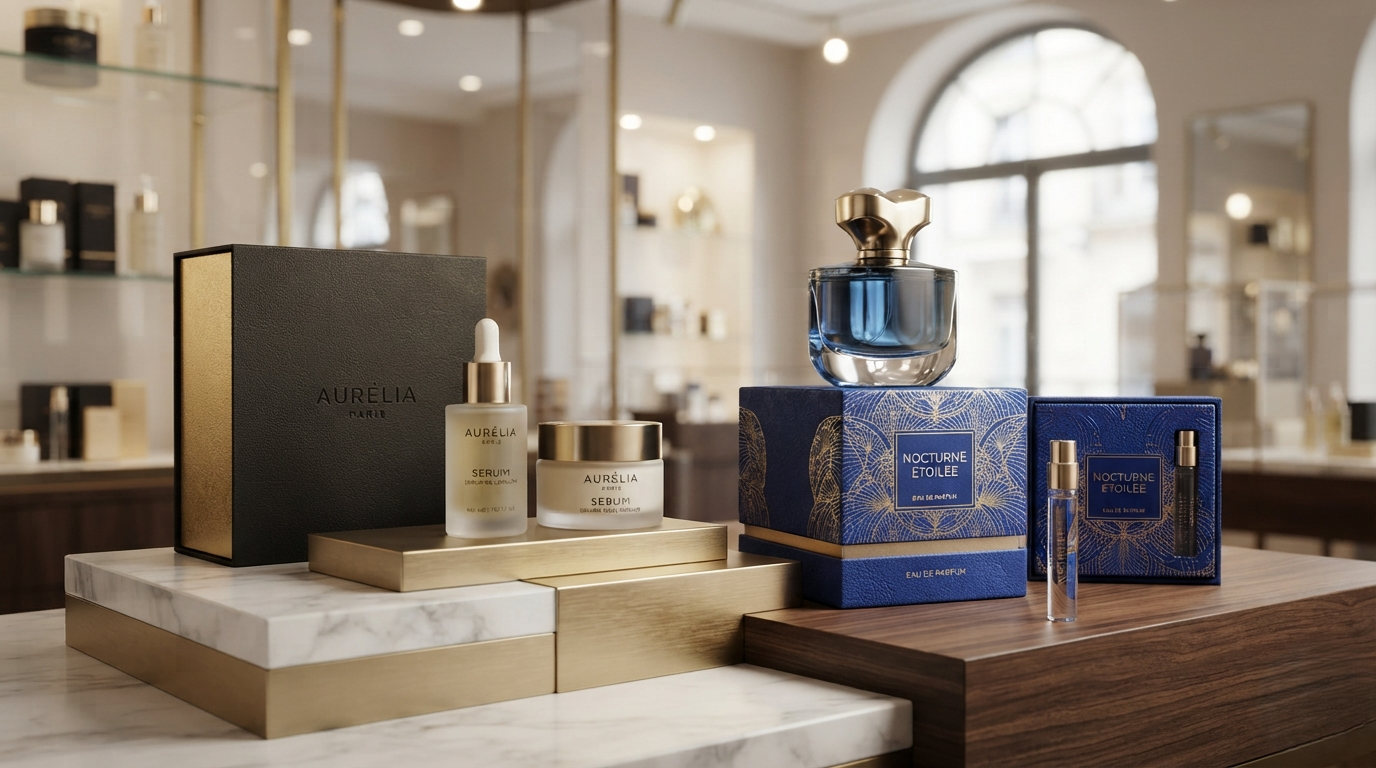
The beauty packaging industry is undergoing a significant transformation as brands rethink how cosmetics and fragrances should be packaged, presented, reused and eventually recycled. The shift is particularly visible in luxury cosmetic packaging and perfume packaging, where traditional premium design is increasingly being combined with refillable systems, lighter materials, personalization and digital features.
For generations, luxury beauty packaging was associated with elaborate boxes, heavy glass bottles, metallic decorations and carefully constructed presentation. Today, however, consumers are increasingly asking a different question: can premium packaging remain beautiful without creating unnecessary waste?
The industry is responding with a new model of luxury focused on durability, functionality, craftsmanship and responsible material choices.
Packaging Industry Moves Beyond Traditional Luxury
Packaging has never been merely a protective layer around beauty products. It has helped companies communicate brand identity and establish emotional connections with consumers.
In the cosmetics sector, containers have evolved from simple jars and bottles into sophisticated systems featuring airless pumps, precision dispensers, specialized closures and premium finishes.
The fragrance category has followed a similar path. Perfume packaging has transformed bottles into recognizable brand symbols, with shape, weight, glass quality, caps and decorative elements often becoming as memorable as the fragrance itself.
The next stage of this evolution is now being driven by sustainability.
From Ornate Containers to Intelligent Design
Historically, luxury packaging often relied on visual excess. Multiple layers of cartons, decorative inserts, heavy bottles and elaborate finishing techniques helped communicate exclusivity.
Modern packaging designers are taking a different approach.
Premium appearance is increasingly being created through:
- High-quality glass and metal
- Precise engineering
- Refined textures
- Minimalist forms
- Refillable structures
- Reusable components
- Sophisticated closures
- Custom finishes
This change does not signal the end of luxury packaging. Instead, it represents a broader definition of luxury in which quality and longevity become more important than unnecessary complexity.
Refillable Beauty Moves Into the Mainstream
Refillable packaging has become one of the most important developments in the beauty industry.
In June 2026, L’Oréal launched its largest refill-focused campaign to date, involving four divisions, 18 brands and 28 products across skincare, fragrance, makeup and haircare. The company positioned refillable beauty as an increasingly mainstream consumer option rather than a niche concept.
The development is particularly relevant to luxury cosmetic packaging because premium containers are often designed to remain attractive and durable for extended periods.
Instead of replacing an entire package when the product runs out, consumers can potentially retain the outer container and purchase a replacement.
This model is especially attractive for products where the container has significant aesthetic or emotional value.
Perfume Packaging Takes a Sustainable Turn
The fragrance industry is also exploring the possibilities of refillable design.
L’Oréal’s sustainability material highlights Prada Paradoxe as an example of a refillable perfume designed for at-home replenishment, demonstrating how fragrance brands are attempting to combine premium presentation with reuse.
This could become increasingly important because perfume bottles often have a long emotional life. Consumers may keep a distinctive bottle on a dressing table long after the fragrance has been finished.
Refill systems turn that behavior into a deliberate packaging strategy.
Instead of treating the bottle as disposable, brands can design it as a long-term object.
Sustainability Becomes Part of the Design Brief
Industry analysis for 2026 identifies refillable systems, mono-material structures, lightweighting, recycled materials and technology-enabled transparency among the major directions influencing cosmetic packaging.
This means sustainability is increasingly being considered during the design stage rather than added after the package has already been developed.
Design teams may now evaluate questions such as:
- Can the package be refilled?
- Can individual components be separated?
- Can materials be recycled?
- Can the package be made lighter?
- Can unnecessary secondary packaging be removed?
- Can consumers understand how to dispose of it?
- Can the package remain attractive throughout repeated use?
These questions are reshaping packaging development across premium beauty categories.
Market Growth Supports Packaging Innovation
The commercial outlook is also encouraging investment in packaging innovation. A May 2026 market analysis from Mordor Intelligence projected the cosmetic packaging market to increase from approximately $31.68 billion in 2026 to $40.33 billion by 2031, citing demand for premium and sustainable beauty products, refillable solutions, lightweight designs, smart dispensing and customization.
This indicates that sustainability and premiumization are not necessarily opposing trends.
Instead, the two are increasingly developing together.
Brands want packaging that satisfies environmentally conscious consumers without compromising the visual and tactile qualities expected from luxury products.
Technology Gives Packaging a New Role
Another important development is the integration of digital technology.
Packaging can increasingly function as a connection between a physical product and a digital ecosystem.
Future luxury cosmetic packaging may incorporate QR codes, NFC features or other digital identifiers that provide access to:
- Product information
- Ingredient details
- Authenticity verification
- Recycling instructions
- Refill information
- Manufacturing details
- Brand storytelling
This can make packaging more informative without necessarily adding more physical material.
For premium products, digital authentication could also become an important tool for helping consumers verify product identity.
Personalization Creates New Opportunities
Customization is another area receiving attention from packaging designers.
Digital printing and flexible production technologies allow brands to create smaller quantities of specialized packaging. This can support seasonal collections, limited editions, regional campaigns and personalized gifts.
For fragrance brands, customized perfume packaging can transform a standard bottle into a more personal object.
For cosmetics, customized cartons, labels and containers can help brands create stronger connections with particular consumer groups.
The result is packaging that can function as both a marketing tool and a personal experience.
The New Meaning of Premium Cosmetic Packaging
The future of luxury cosmetic packaging is unlikely to be defined simply by expensive materials.
Instead, premium packaging will increasingly be judged according to several characteristics:
| Traditional Luxury | Emerging Luxury |
| Heavy construction | Lightweight engineering |
| Decorative excess | Purposeful design |
| Single-use packaging | Refillable systems |
| Multiple materials | Simplified material structures |
| Static presentation | Digital interaction |
| Standardized designs | Personalization |
| Short packaging life | Long-term reuse |
This does not mean decorative craftsmanship will disappear. High-end finishes, custom glass, metal components and artistic design will continue to play important roles.
The difference is that these features will increasingly need to serve a clear purpose.
What the Future Could Bring
The next generation of beauty packaging is likely to combine several technologies and design principles within the same product.
A premium fragrance bottle, for example, could feature durable glass, a refillable reservoir, a recyclable carton, a digitally identifiable label and a personalized finish.
A cosmetic container could combine a reusable outer shell with a replaceable inner cartridge and a dispensing system designed to reduce product waste.
Such concepts illustrate where the industry is heading: packaging is becoming a product experience rather than a disposable wrapper.
Challenges Remain for the Industry
Despite the progress, sustainable packaging is not automatically better simply because it is labeled refillable or recyclable.
Designers must consider the entire packaging life cycle, including material production, transportation, manufacturing, consumer use and end-of-life processing.
Refill systems must also be convenient enough for consumers to actually use them. If refilling is difficult, expensive or unavailable, adoption can remain limited.
The industry therefore faces a critical challenge: sustainability must be practical, not merely attractive in marketing campaigns.
Frequently Asked Questions
What is luxury cosmetic packaging?
Luxury cosmetic packaging refers to premium containers and presentation systems designed to protect beauty products while delivering sophisticated aesthetics, functionality and brand value.
Why is perfume packaging important?
Perfume packaging protects fragrance while communicating the personality, positioning and identity of the fragrance brand.
How has luxury packaging changed?
It has moved from highly decorative, often single-use presentation toward designs emphasizing functionality, refillability, sustainability and personalization.
Why are refillable packages becoming popular?
Refillable systems can allow consumers to retain durable containers while replacing the product inside, potentially reducing repeated packaging consumption.
Is refillable perfume packaging sustainable?
Its environmental benefit depends on the complete system, including the refill format, materials, transport and how many times the original container is reused.
What materials are popular for luxury packaging?
Glass, aluminum, paperboard and various recycled or renewable materials are being explored alongside conventional packaging materials.
Will glass remain important for perfume?
Glass is likely to remain significant because of its premium appearance, durability and ability to support distinctive bottle designs.
How does technology affect packaging?
Digital features can provide authentication, product information, traceability, recycling guidance and additional brand experiences.
Will personalized packaging grow?
Personalization is likely to expand as digital printing and flexible manufacturing make customized and limited production runs more practical.
What is the biggest future trend?
Refillability is one of the strongest current directions, alongside circular design, lightweighting, responsible materials and digital transparency.
Read more – https://tandtlawassociates.com/cosmetic-packaging-boxes-and-cosmetic-packaging-past-present-and-future/
https://newsgrow.blogspot.com/2026/08/cosmetic-packaging-boxes-deep-guide-to.html